15min Readtime
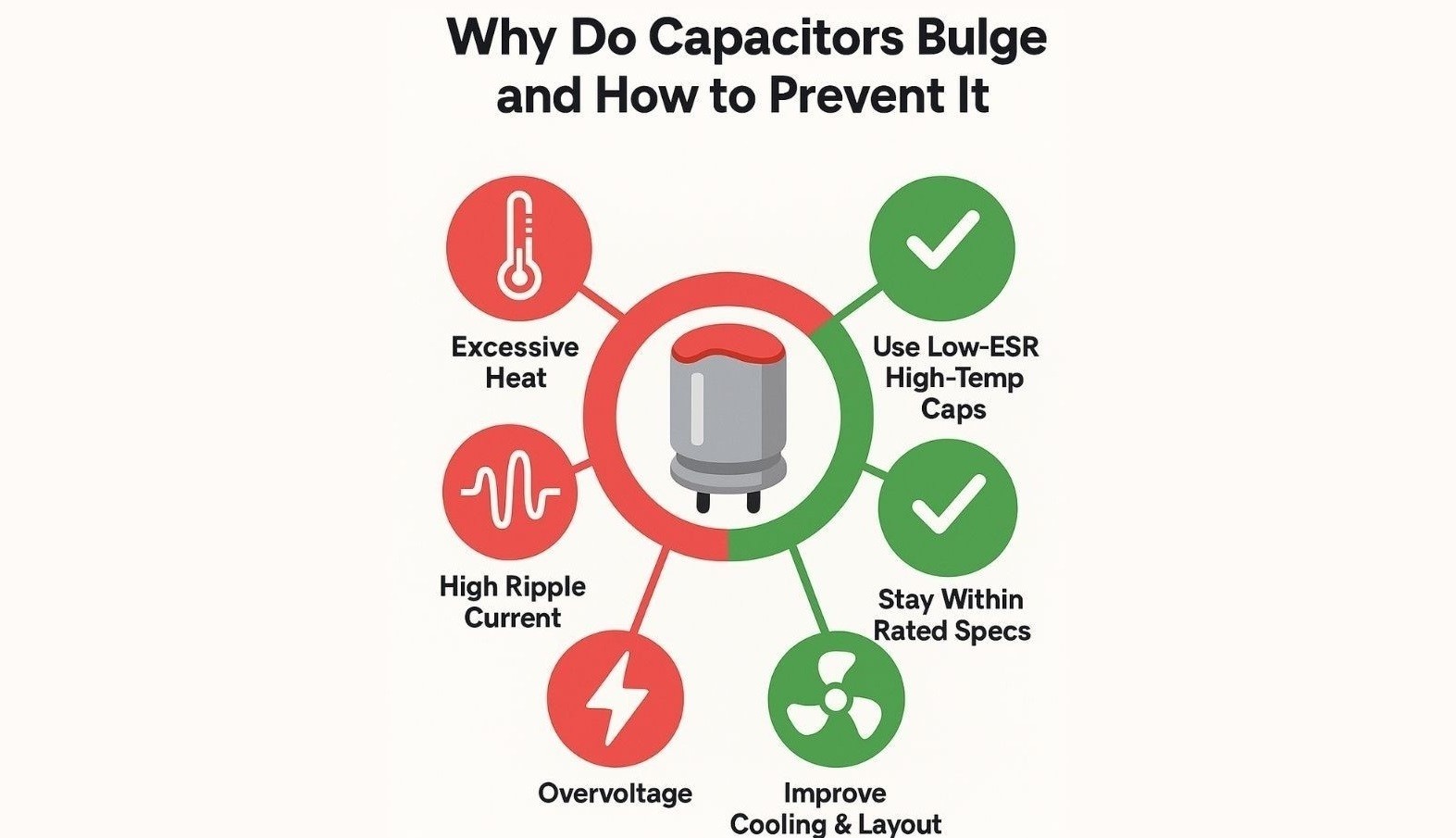
Capacitor bulging is a visible indicator of internal pressure buildup in aluminum electrolytic capacitors. It is typically associated with electrolyte decomposition caused by thermal, electrical, or environmental overstress. This document summarizes the primary failure mechanisms and provides practical design guidelines to minimize the risk of bulging and premature capacitor failure in electronic systems.
1. Failure Mechanism
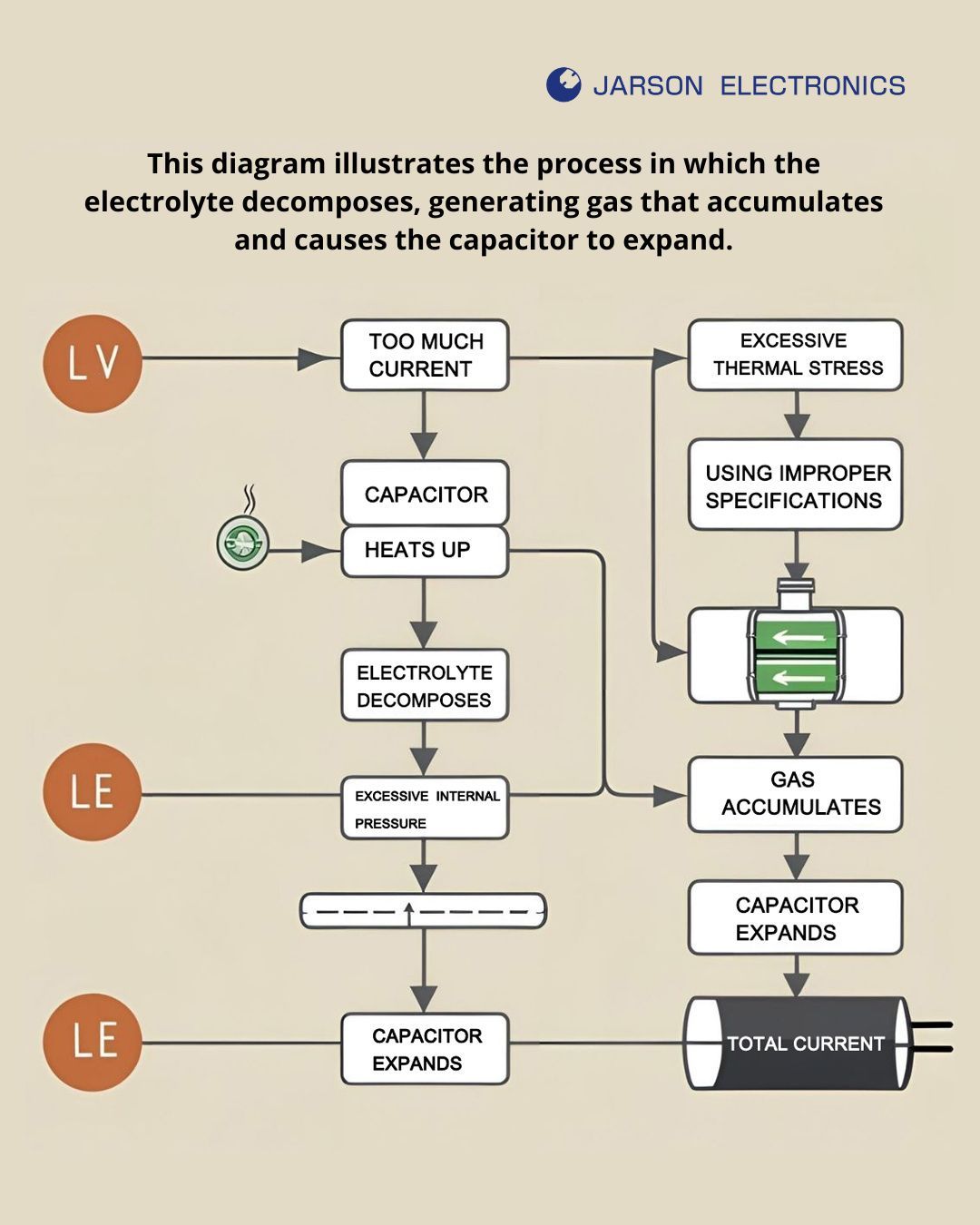
Aluminum electrolytic capacitors use a liquid electrolyte to maintain ionic conduction and dielectric regeneration. Under elevated temperature, excessive ripple current, or sustained electrical overstress, the electrolyte undergoes chemical and thermal decomposition. This process generates gaseous byproducts.
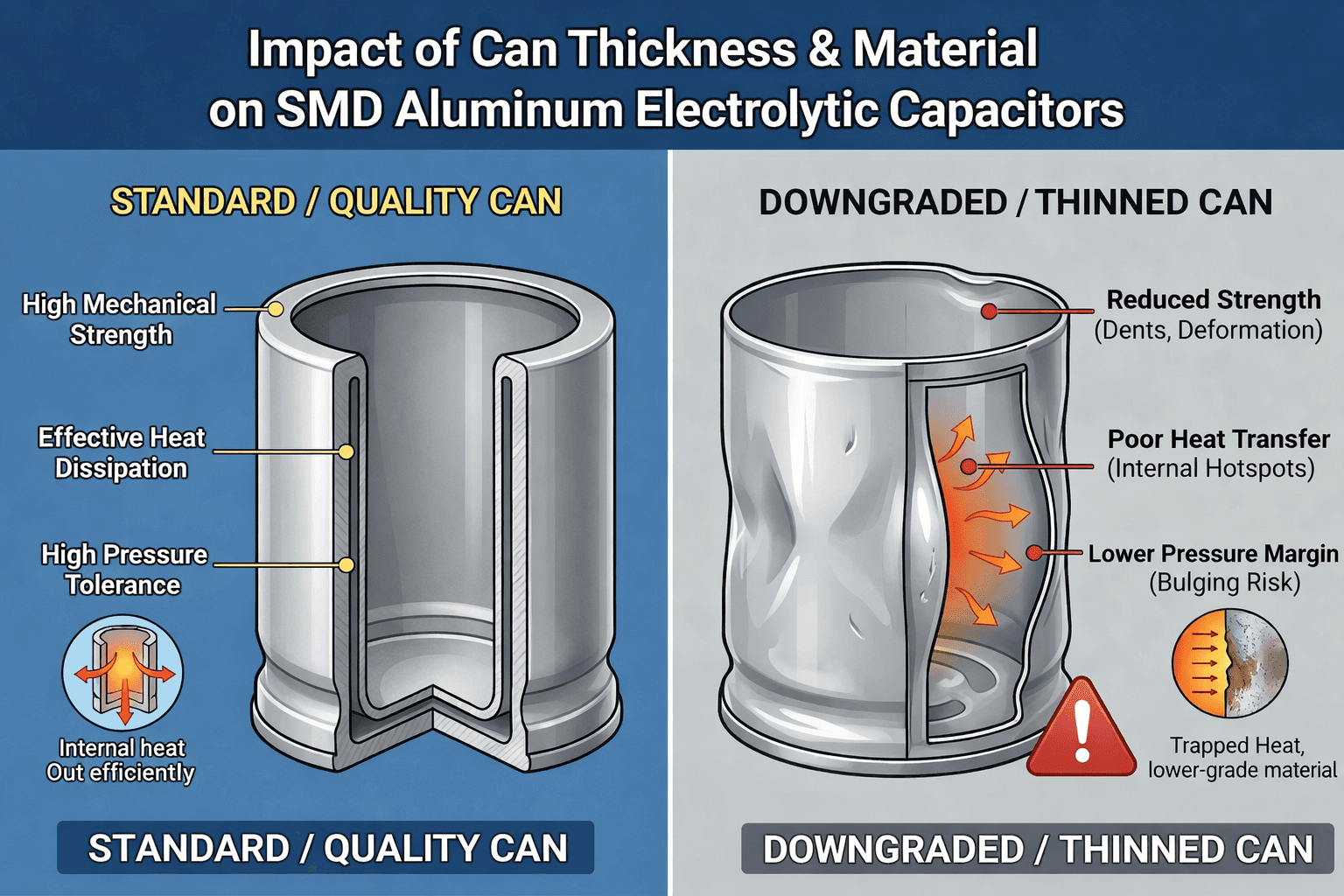
As internal gas pressure increases, the aluminum can mechanically deforms. The pressure relief scoring on the capacitor case is designed to control the deformation mode and prevent uncontrolled rupture. Therefore, bulging is an intended safety response that indicates advanced internal degradation.
Once bulging is observed, the capacitor typically exhibits:
Increased ESR
Reduced capacitance
Elevated leakage current
Significantly reduced remaining useful life
2. Primary Contributing Factors
2.1 Thermal Overstress (Approx. 40%)
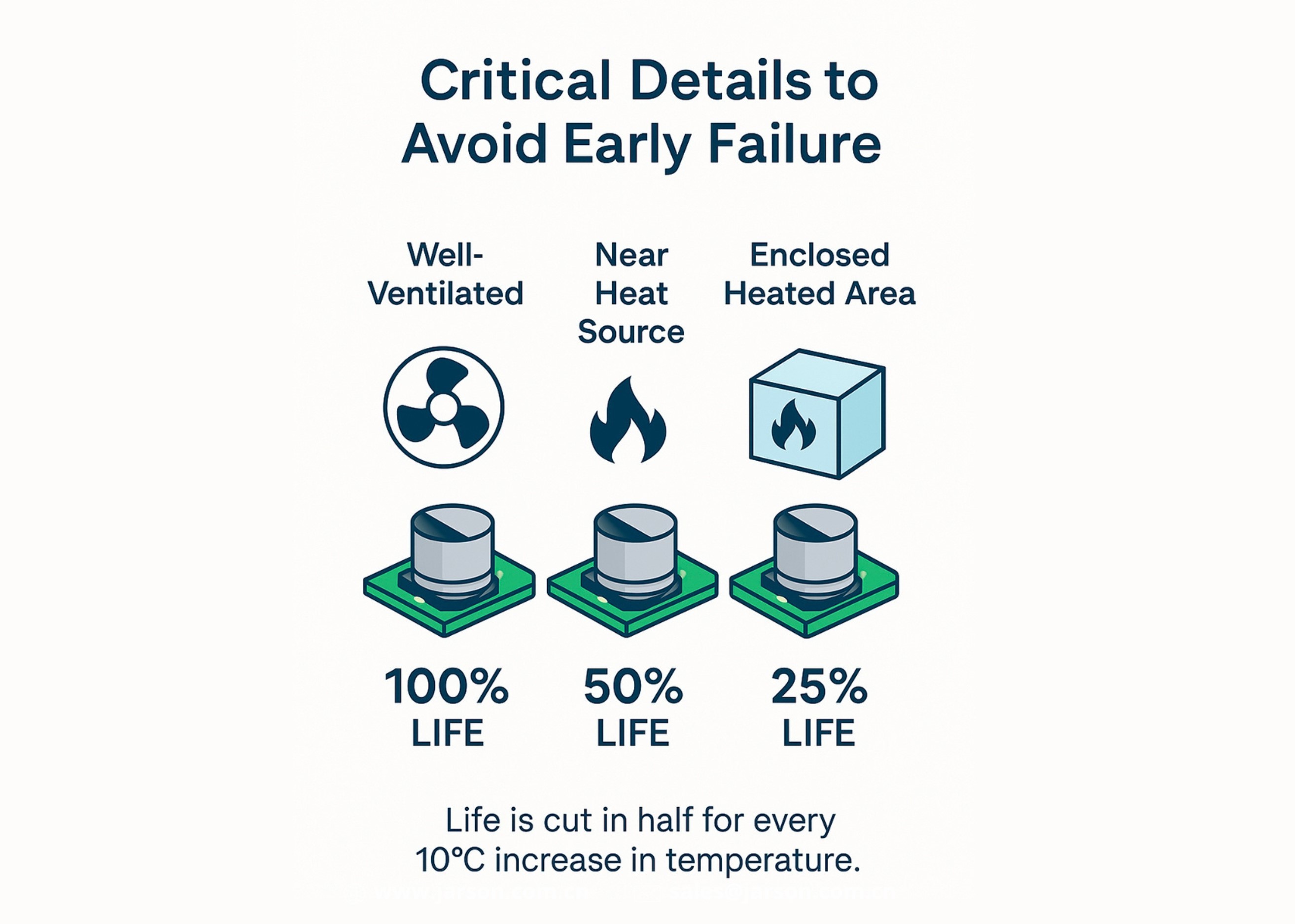
Thermal stress is the dominant contributor to electrolyte degradation. Common sources include:
High ambient operating temperature
Self-heating from ripple current losses
Proximity to heat-generating components
Inadequate airflow or heat sinking
According to Arrhenius-based lifetime models, capacitor life is approximately halved for every 10 °C increase in operating temperature.
2.2 Incorrect Component Selection (Approx. 35%)
Bulging is frequently associated with improper capacitor selection, including:
Insufficient voltage rating and derating margin
Ripple current rating below actual operating conditions
ESR characteristics incompatible with the application
Inadequate endurance or load-life specification
2.3 Electrical Overstress and Transients (Approx. 25%)
Electrical stress mechanisms include:
Repetitive inrush current during startup
Voltage spikes and transient overvoltage
Operation near or above rated ripple current
Lack of soft-start or current-limiting circuitry
3. Design Guidelines for Bulging Prevention
3.1 Component Selection
Select capacitors with rated temperature of 105 °C or 125 °C for high-reliability designs.
Choose low-ESR series appropriate for the ripple current spectrum.
Verify endurance and load-life ratings at rated temperature.
3.2 Electrical Derating and Protection
Apply conservative voltage derating (typically 20–30% for aluminum electrolytics).
Ensure ripple current derating based on ambient and case temperature.
Implement soft-start, inrush current limiting, and overvoltage protection as required.
3.3 Thermal Management
Minimize capacitor self-heating through ESR optimization.
Maintain adequate spacing from heat sources.
Use PCB copper planes and thermal vias for heat spreading.
Provide forced airflow or external heatsinking when necessary.
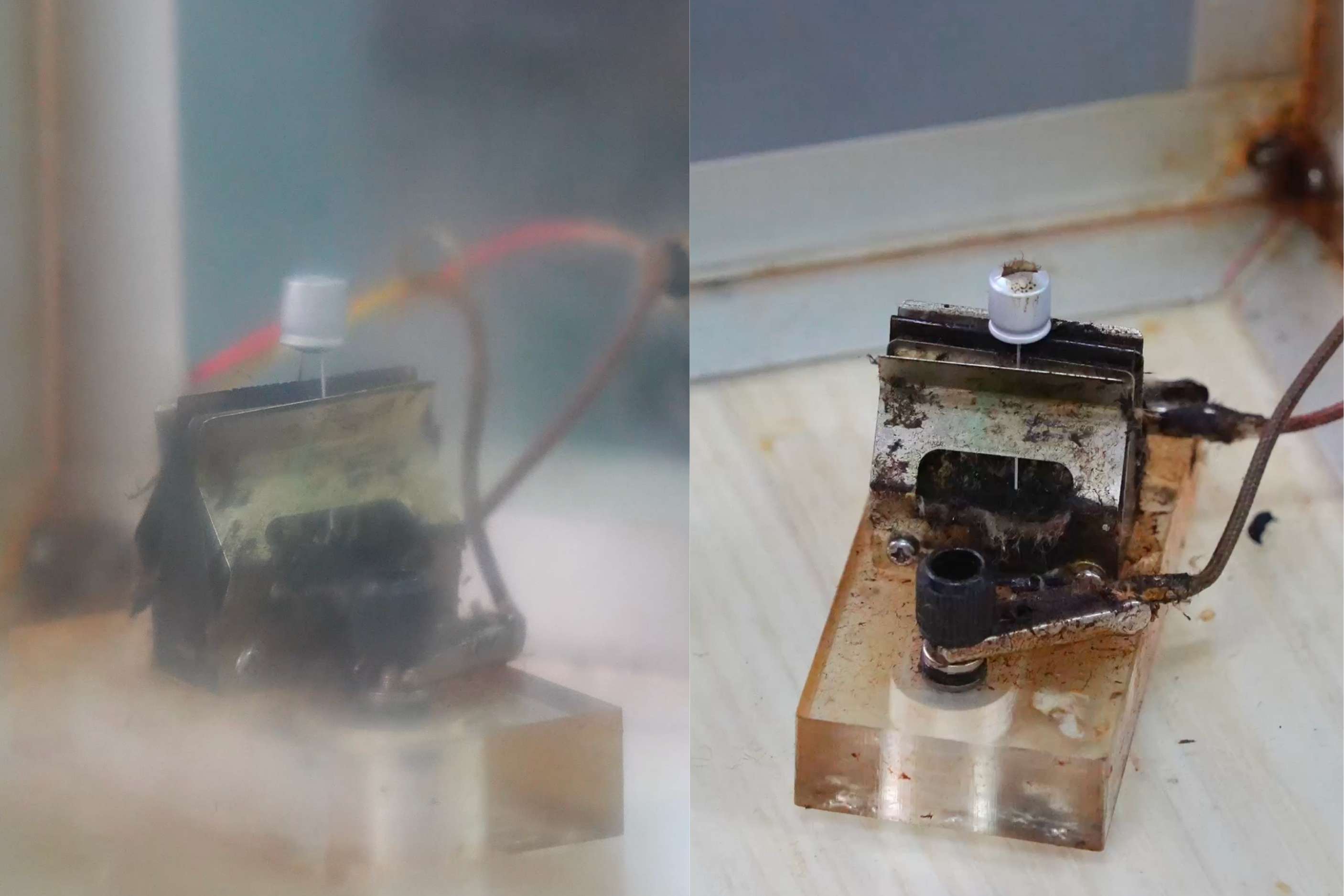
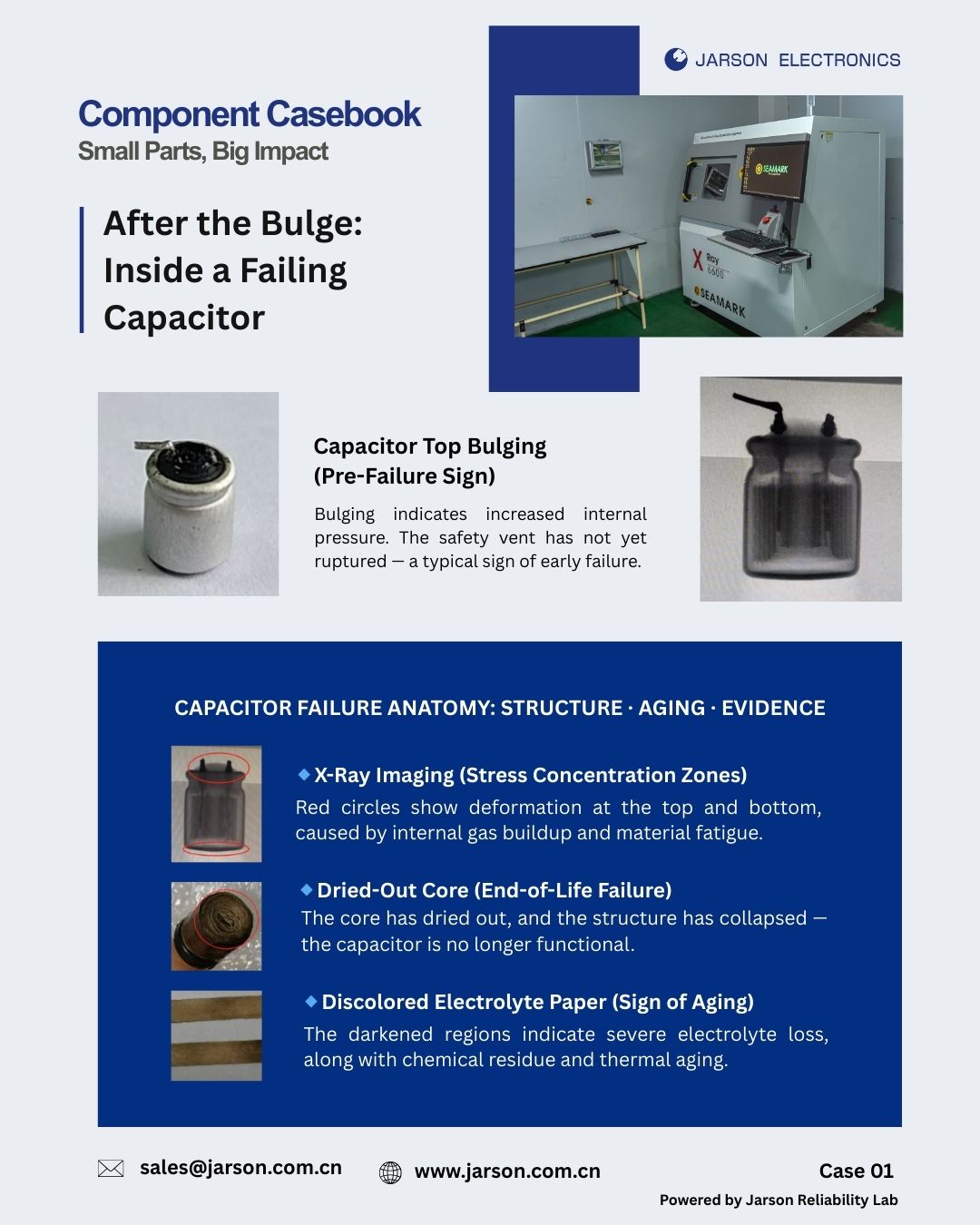
Failure analysis of a field-returned capacitor exhibiting bulging revealed:
Can deformation consistent with sustained internal pressure buildup
Severe electrolyte depletion resulting in loss of effective capacitance
Discoloration of separator paper indicating prolonged thermal and chemical aging
These findings confirm that visible bulging typically occurs late in the failure progression, after substantial electrical degradation has already occurred.
From a system reliability perspective, capacitor bulging represents a late-stage failure indicator. Preventive design measures should focus on reducing internal temperature rise and electrical overstress throughout the operational life.
Key reliability practices include:
Designing for worst-case ambient and load conditions
Applying lifetime modeling during component selection
Performing periodic inspection in long-life or safety-critical systems
Using higher-grade capacitor series for mission-critical applications
Capacitor bulging is a predictable consequence of electrolyte degradation driven primarily by thermal and electrical overstress. Through proper component selection, conservative derating, and effective thermal management, the incidence of bulging and premature capacitor failure can be significantly reduced. These practices directly improve system reliability, reduce field returns, and lower total cost of ownership.
More Tech